Why Young Basilisks Do It Better
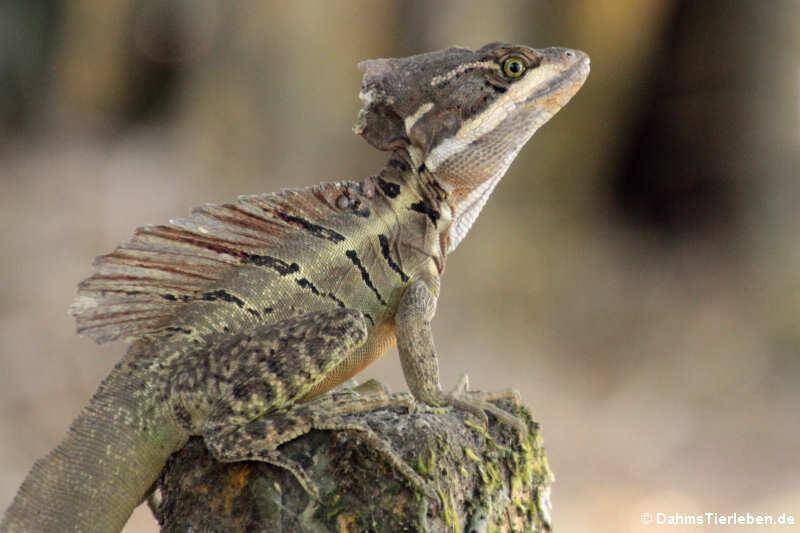
It is no wonder basilisks have been called the Jesus Christ lizard because their ability to run on water is something to behold, but in science, there’s nothing mystical or magical about it.
The common basilisk (Basiliscus basiliscus) can perform incredible feats thanks to the combination of speed, carefully timed movements, and specialised feet.
But the young basilisks have a distinct advantage...
Lost to Science - Firefly Rediscovered
News that a firefly not seen for many decades has been rediscovered is exciting wildlife enthusiasts.
The similar firefly was spotted during a survey of a meadow in Delaware , United States. Before this, it had not been documented since 1983.
The rediscovery was included in a recent paper published in the Journal of Lost Species. This is the largest global search for species without documented sightings for 10 years or more.
The firefly historically ranged across parts of the eastern and southern United States. Little is known about the species, but it is known to prefer fields and meadows located close to water.

Decline in European Bees and Hoverflies Raises Alarm
For more than a century, researchers and conservationists have called for urgent action to prevent a worrying decline in European bees and hoverflies.
Researchers studied more than four million records to find why numbers have changed, resulting in a mixed picture. Most of the species could still be found somewhere in Europe, but many had disappeared from parts of their former ranges.

Yellowstone National Park: Wolf Pups
If, like me, you are fascinated by the wildlife in Yellowstone National Park, it is disappointing to report the difficulties facing the wolf packs there. For the second year running, the wolf population has been hit.
Due to distemper, only 17 pups survived the end of 2025. This year, the news is likely to improve slightly, but distemper is not the cause this time.
The Eight Mile Pack lost its alpha male - an old wolf that died of natural causes- but this meant the female was unable to breed, so no pups were born. The Bliss Creek pack also failed to produce pups for the second year running. The reason is unknown.
Another pack in the park did produce a litter. A young and inexperienced female; the behaviour pointed to pups in the den, but they did not materialise. At the start of 2026, Yellowstone National Park had 67 adults and 17 pups, but even with the setbacks, there appears to be no great concern, as the population remains stable at under 100 wolves.
Image: NPS/Jim Peaco

The Healing Power of Touch
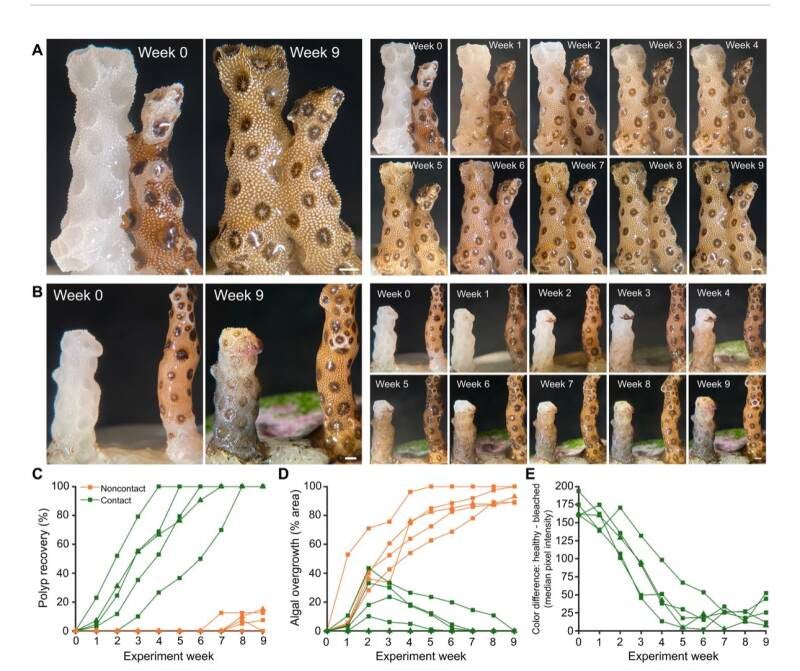
We have long known that a simple touch from a loved one can make a dramatic difference, calming us and helping us to feel better. But who knew that a simple touch from one coral to another could actually heal?
In what can only be called an astonishing discovery during a laboratory experiment, scientists realised that even the most severely bleached corals, close to dying, could recover if placed by, and in touch with, healthy, genetically identical coral.
With warming oceans and coral reefs under stress, this discovery comes at a critical time.
Snail Discovery at Risk
Two new species of snail have been discovered, but one is already at risk of extinction due to a proposed hydropower development.
The two new snail species, Cochlostoma komarnica and Cochlostoma dobrido, are approximately 6mm long and feed on algae and lichens. The snails were found in the limestone rocks in the Durmitor and Komarnica regions of northern Montenegro.
These snails have some surprising adaptations.

The Extraordinary Biology of a Mute Swan
Swans are beautiful, but they are also biological masterpieces. They are among some of the largest flying birds, so a swan has to generate sufficient lift to get its body off the ground.
While in the air, the muscles must produce enough power to keep those large wings moving.
Mute swans have a specialised skeleton. Some bones contain air spaces associated with the respiratory system, and have internal structures that provide strength.
The breastbone, or sternum, has a large keel which enables an attachment for the...

Introducing Britain's second venomous snake
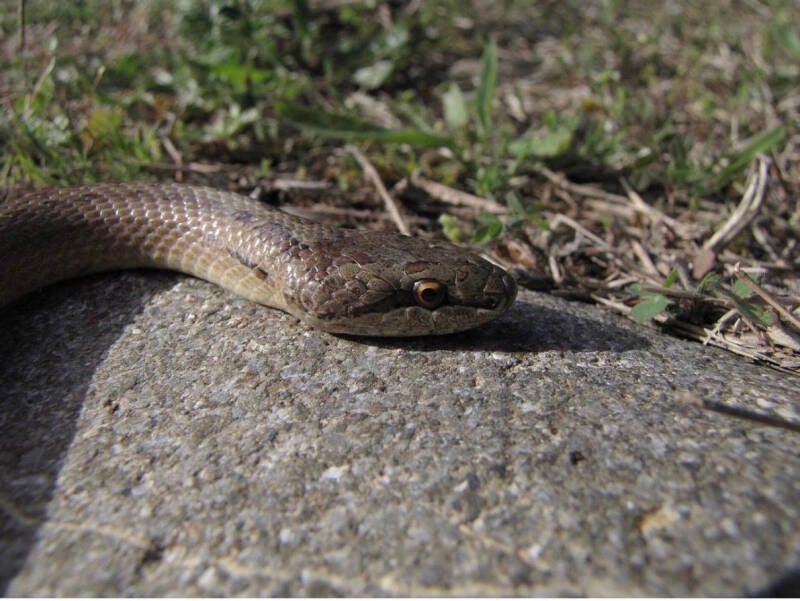
The UK has three native snake species: the adder, grass snake and smooth snake. We also have the non-native Aesculapian snake, with the adder being our only venomous snake…until now.
New scientific research has revealed something very interesting.
The powerful, aggressive pirate bird
A powerful and aggressive bird - the pirate of the skies could be deemed one of Britain's most formidable seabirds.
With a heavy body, dark brown plumage, and broad wings marked by flashes of white plumage, the Great Skua is a powerful predator. It weighs about 1.4kilograms and has a wingspan of approximately 1.3 metres. It has been known to swoop directly at people - including at me.

Exciting times for Pine Martens
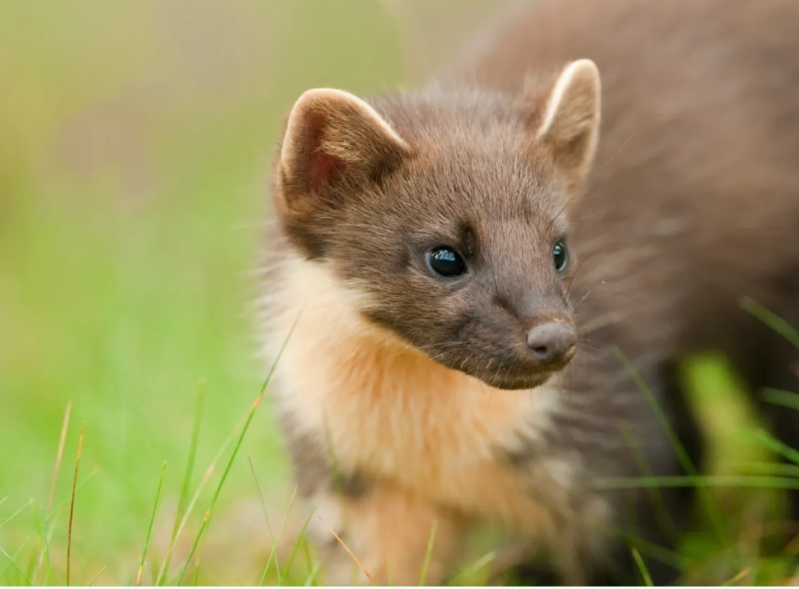
Pine martens roamed expansive areas of the UK more than a century ago, but habitat loss, intensive trapping and persecution greatly impacted this species. However, a new study has now shown that large parts of England and Wales do offer suitable habitat for pine martens, and they could be reintroduced.
These charismatic animals, belonging to the weasel (mustelid) family, play an important role in the recovery of woodlands.
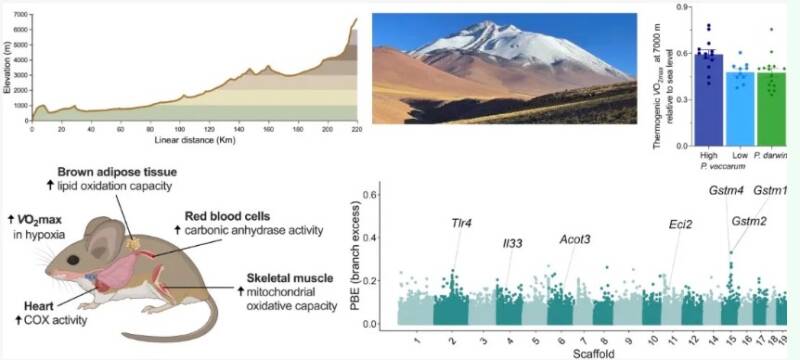
Living On Top of the World
If you have ever climbed a mountain, you might have experienced shortness of breath because the air is so thin. It can be difficult to think or even move. It can take time to adapt to such harsh environments.
Now transport yourself to the edge of a volcano more than 6,700 metres (22,000 feet) high, where the air is so thin that only half the oxygen that is available at sea level is present. There are no meadows, forests, or obvious food sources, and the temperatures often plunge below freezing. You would think very little could survive in such a bleak place, but one tiny mammal not only survives but thrives too.
The Clock is Ticking For Black-tailed Godwits
Any conservation project that helps our precious wildlife to survive and thrive gets the thumbs-up from me, so this is something to celebrate.
Britain’s tiny population of breeding Black-tailed Godwits has received a major lifeline and with fewer than 40 breeding pairs remaining, the clock is ticking if they are to be protected.
Read more here:

A Beautiful but Deadly Tree
The Desert Rose looks like it belongs to another world with a swollen, bottle-shaped trunk and its stunning pink-and-white flowers. But behind the beauty, there lies a deadly defence. Adenium Obesum, (Desert Rose or Bottle Tree) contains a milky white sap with toxic glycosides, which blur vision, cause vomiting, and alter the heart's rhythm if too much is consumed. It can be deadly.

Explore the Wonders of Wildlife With Annette
Welcome to the Go Wild With Annette blog, your gateway to the captivating world of nature. Dive into articles designed to inspire awe and curiosity, whether you're new to wildlife or a seasoned enthusiast. The content here is about wildlife, but if you want to see content about new innovative resources or investigations into environmental issues, click here.
Sign up for our free newsletter here. We also have a paid subscription.
Please note this is a non-profit organisation. Money received is reinvested in saving wildlife.
Galapagos Penguins
Galapagos penguins have been called key indicators of ocean health.
The only penguin species found north of the Equator, Galapagos penguins are closely related to the African, Humboldt and Magellanic penguins, but these species dwell in burrows. On the Galapagos Islands, there is no soft peat to burrow into, so the Galapagos penguins must shelter in caves and crevices.
Scientists studying the species have uncovered new evidence...


Sharks in British Waters
I was watching a wildlife documentary about diving with sharks, and it revealed the horrors of shark fishing. The camera focused on a string of hooks stretching across an expanse of water, and captured sharks just hanging there.
The dead sharks included Makos and Hammerheads. I found the whole footage deeply disturbing.
Every year, approximately 100 million sharks are killed in oceans across the world. This is a staggering number of dead sharks caught for the fin trade as well as shark oil, meat and cartilage. Many are caught unintentionally as bycatch.
Fishing practices are also a cause ...
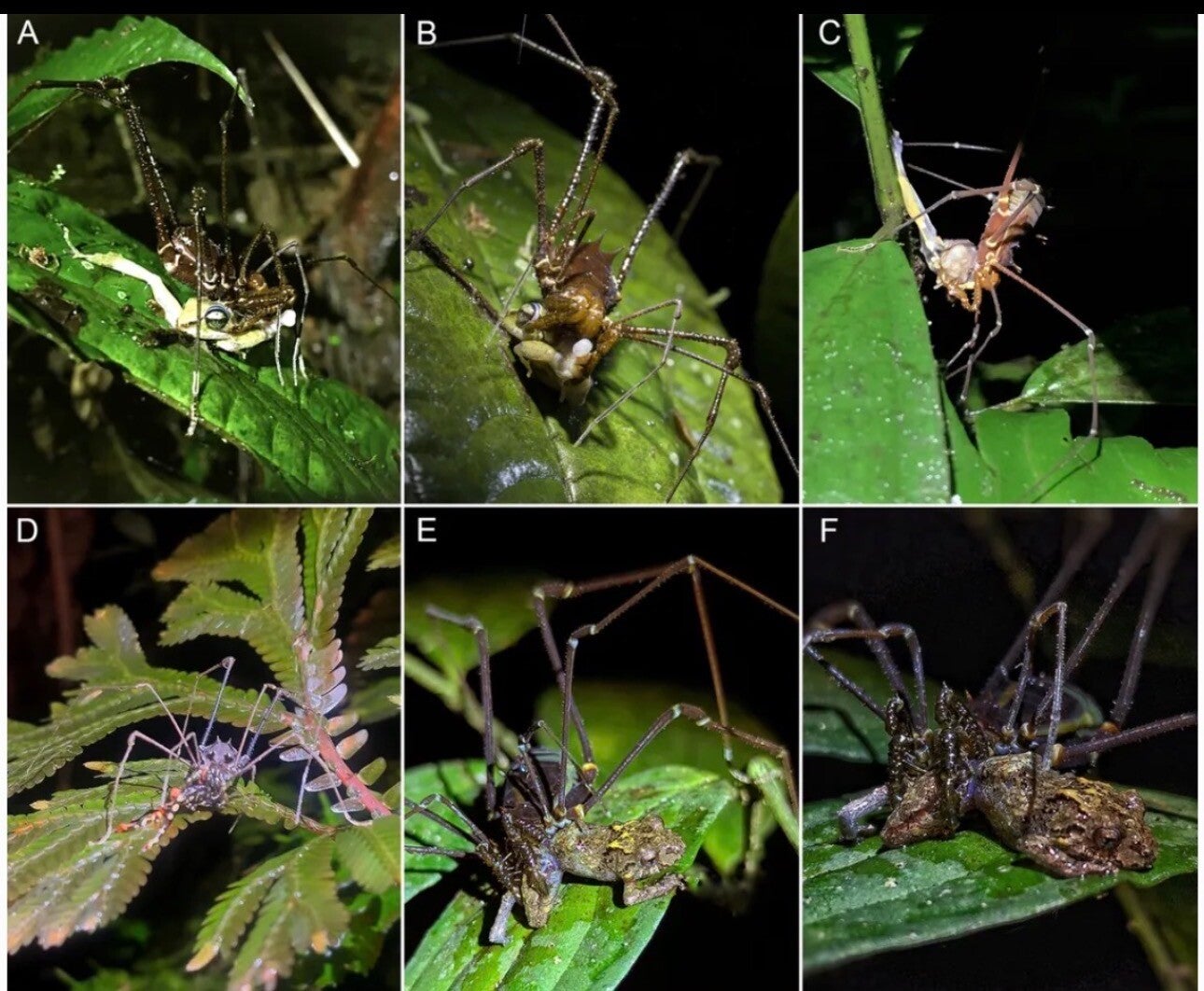
The Daddy-Longlegs with A Sinister Secret
Scientific research has revealed a strange occurrence of a species of arachnid (harvestmen) with their long legs and small body actively hunting and eating live frogs.
These may seem the most harmless of creatures - simple scavengers but there have been ten observations of harvestmen feeding upon frogs in the Ecuadorian and Colombian tropical forests.
Read more here:
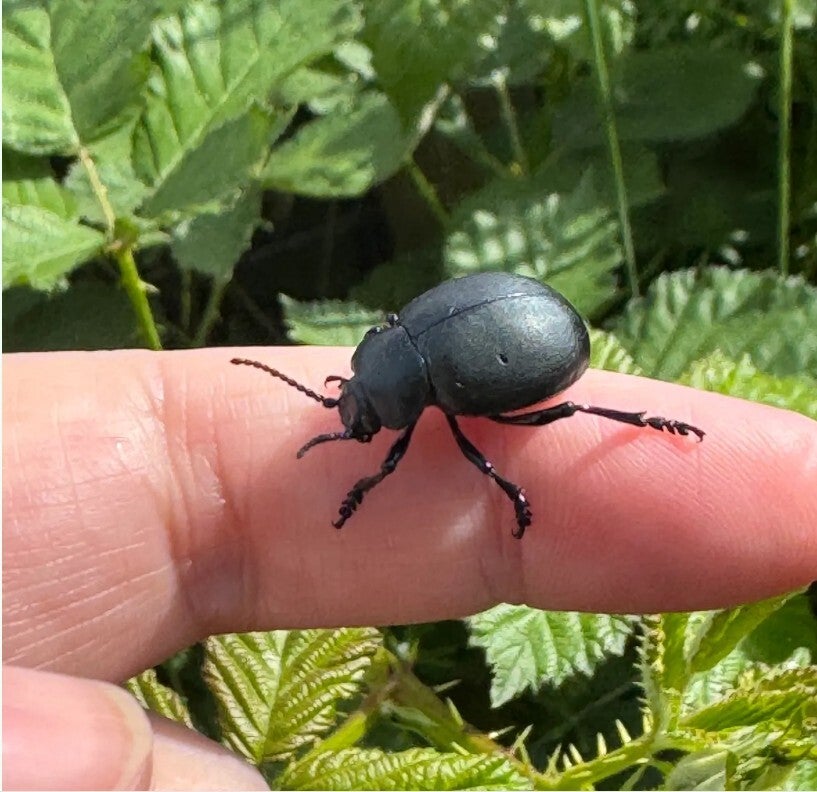
The Blood-Spewing Beetle
I didn't expect to encounter this incredible bloody-nosed beetle at the nature reserve today, but couldn't resist spending some time with it.
This is one of our largest leaf beetles, also known as the blood spewing beetle or blood spewer. However you want to call it, this is a beautiful black, curved beetle with long legs ending in a double hook. It has thick, segmented antennae.
The Unsung Dung Hero
Piles of poop may not be fascinating for many but these beetle poop scoopers provide a vital service.
I am talking about our very own dung beetles.
Picture the scene. Farm animals, deer or rabbits leave dung as they roam. Whenever excrement occurs, know that there will be a whole community rushing to the scene, carrying dung away, breaking the dung down, and taking away nutrients.


Huge Evolutionary Changes for the Small Bird with the Big Voice
When I think about wrens, I picture one of our smaller birds, the distinctive raised tail feathers and that loud and beautiful voice. Wrens are one of the UK’s most common birds; they are often seen and are loved by many, but now, something important is happening.
A recent study (published in the Evolutionary Journal of the Linnean Society) spotlights the evolution of the Eurasian Wren population in Shetland, Fair Isle, the Outer Hebrides, and St Kilda. Although these birds live in similar island environments, each population has followed its own evolutionary path.
The changes are dramatic in evolutionary terms.
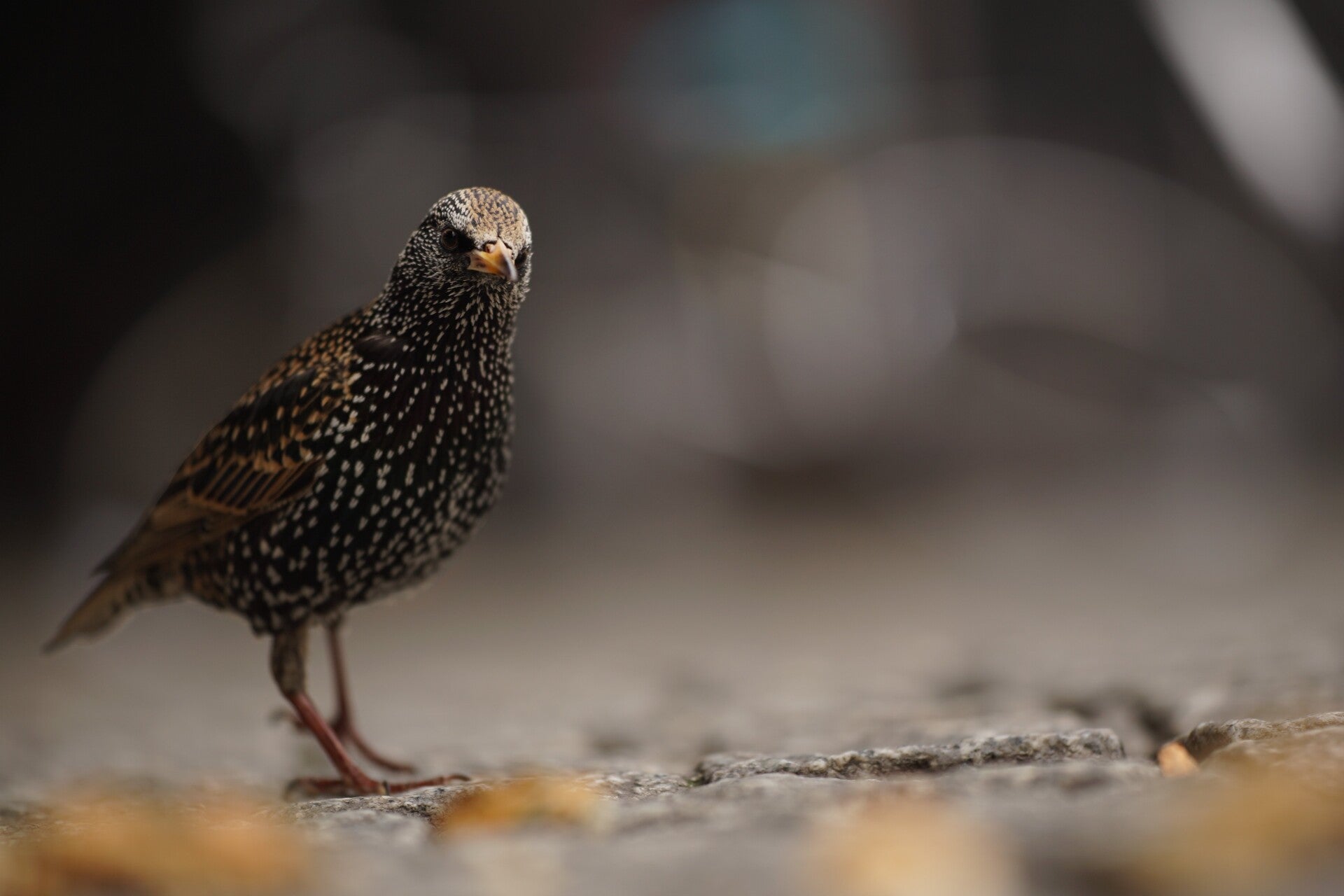
Get to Know the Starlings in Your Garden
I want to talk about starlings - those often overlooked and unappreciated birds that visit our gardens.
Yesterday, I was treated to a wonderful display of adults and juveniles trying to get to my window feeder. It was amusing to watch all the squabbling and mayhem because this is a small feeder, and they had difficulty fitting in. I was particularly enjoying the fact that they were here at all. It has been 18 months since I had starlings in the garden.
Once the starlings had feasted and moved to the nearby trees, I rushed outside to put out a temporary feeder and hung it from the garden arch. Within minutes, the starlings were climbing down the feeder chain or flying in and using the feeder like a swing.
Go Wild With Annette + One Planet News
Develop your passion for nature by signing up for our FREE newsletter filled with wildlife and environmental news.


Are Sharks Losing Their Bite?
When you think about sharks generally, what is your immediate thought? Its sleek, perfectly designed body, unblinking eyes or that mouthful of sharp teeth?
Sharks are the most feared predators in the ocean. There are hundreds of species, all playing an important role in the ocean ecosystems. Their predatory skills have been finely tuned over millions of years, but sharks are under pressure.....
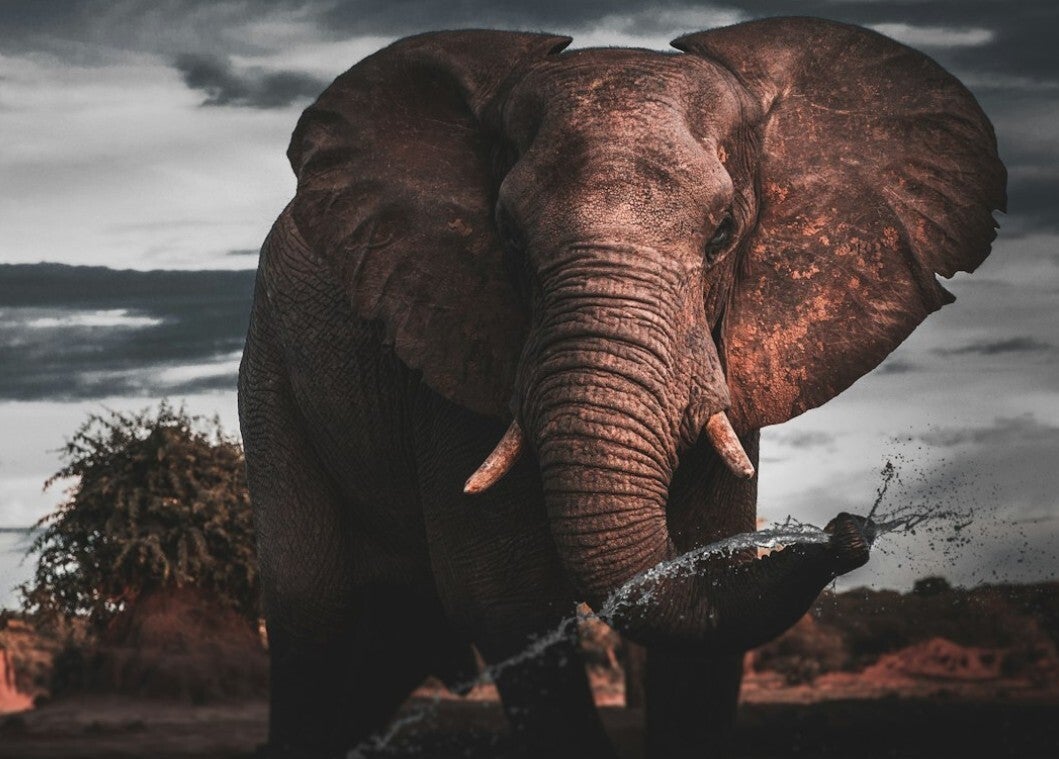
Secrets of an Elephant's Trunk
By Annette J Beveridge
An elephant’s trunk is one of the most extraordinary organs in the animal kingdom and is a muscular marvel, providing incredible dexterity and strength. It is part nose, hand, and tool and plays a vital role in feeding, drinking, communication, and even expressing emotion.
But what makes this appendage so powerful and flexible?
Anatomy of the Trunk
The elephant’s trunk is essentially a fusion of its upper lip and nose, elongated over millions of years of evolution. There are no bones, but it is packed with 40,000 to 60,000 individual muscles.
Losing Our Connection to Nature is Like Losing a Best Friend
Can we really call nature a friend? I think so. Here’s why.
Nature has a soothing effect on us. Spending time by a river or in a woodland when feeling sad is like being comforted by a good friend. It provides an opportunity to heal.
Hugging a tree is like being connected to the heart of the natural world, and standing beneath the spreading branches of an oak tree gives you a new perspective on life and your own little problems.


How Can Information About the Nature Crisis Survive the Revolving Door of Daily News?
As a journalist, I can understand why prominent nature-related issues are not always published, and even if they are, they may get a cursory mention, that’s all.
But then the news cycle moves on. As someone who cares deeply about nature and as a conservationist, I find it all too frustrating. But let me give you an insight into the world of news.
The Secrets of Bird Song
Have you ever wondered about the many bird sounds and wondered why they occur and what they represent?
You are not alone if so as a new study endeavoured to find distinctive patterns within bird sounds.
During the spring months, bird song is louder and more frequent. Birds fight for territories and for mates. Birds also sing for the sheer pleasure of doing so.


The Brain-Eating Bird You Might See in the UK
The battle for life and death is played out daily in the natural world, but one small bird takes butchery to a whole new level.
Fewer than 100 of these birds spend the winter here in the UK, so if you see one, it will be a real find but aside from its rarity, what makes this bird stand out?
Predatory birds are often considered powerful with strong beaks and talons for tearing prey, but some birds are small, beautifully defined and deadly.