The Joy of Going Wild In Your Garden
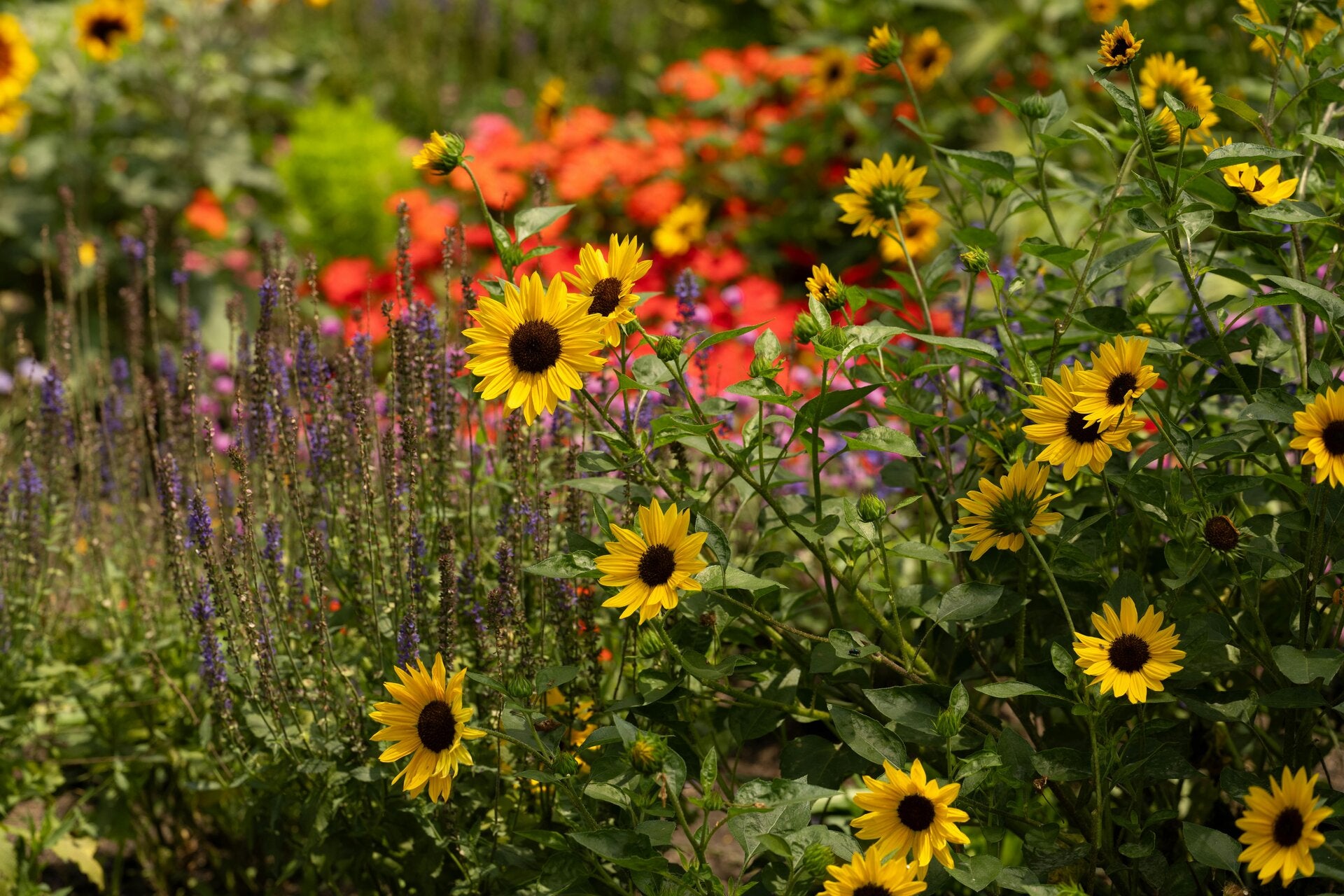
Think of your garden as part of a complex, interconnected landscape that can provide a sanctuary for you and a haven for wildlife. As we build more houses, wildlife inevitably suffers and becomes displaced. To help offset this, consider turning your garden into a place that is safe for all wildlife.
Much of our wildlife in Britain is at risk, and populations of some of the formerly common species have reduced dramatically due to the impact of people as well as climate change. So this section of the website will help you to transform your own garden - whether you have limited space or a large garden where you can be more creative. You can dip in and out of these articles and use the tips to make your own nature space. I can tell you from experience that it becomes a joy to spend time in the garden and to live alongside an abundance of wildlife. Listen to the sound of bees, birds singing, and experience the joy of seeing hedgehogs exploring.
If you want to be alerted to new articles, sign up for my free Go Wild With Annette newsletter.
Wildlife Gardening: Create a Raised Bed
Want to create a wildlife garden, but your soil quality is poor, or you cannot bend over and dig like you used to? Don't worry; you can create a raised wildlife garden with little trouble, and whether you want to grow flowers or vegetables, you can still help wildlife.
Raised beds have several advantages; they are easier to manage once built and can look really good. Importantly, using the no-dig method keeps stored carbon locked up.
Raised beds
Raised garden beds warm up more quickly in spring and, importantly, provide good drainage, which is crucial for plants. It can be made a feature, or be a part of a larger garden ecosystem.
If you are thinking about utilising raised beds, why not go a step further and choose organic methods and avoid harmful pesticides?
