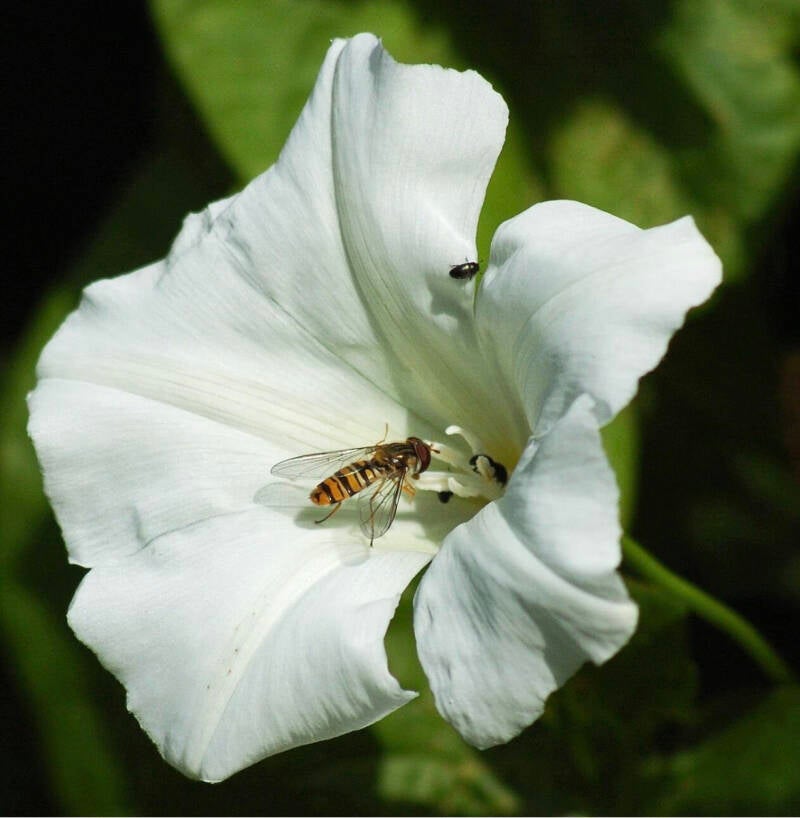
Decline in European Bees and Hoverflies Raises Alarm
For more than a century, researchers and conservationists have called for urgent action to prevent the worrying decline among European bees and hoverflies.
At the Doñana Biological Station in Spain, researchers led by Carlos Martinez-Nunez studied more than four million records to ascertain the reasons for the decline. Most of the species could still be found somewhere in Europe, but many had disappeared from parts of their former ranges. The research material covered approximately 88% of European bee and hoverfly species.
Most bee species, and approximately 50% of hoverfly species, had declined in the areas they would naturally be found. There were also modest changes in the number of pollinator species in most regions. In the Alpine regions, the story was different, with more positive indicators.
In the Atlantic and continental regions (Britain, France and Central Europe) declines were recorded, possibly due to major changes in land use over the last century. But for bee species from southern and northern Europe, declines were more pronounced in the recent decades.
The regional figures do not mean that individual species are thriving. Some of the steepest declines were among those groups that included parasitic species or those with specialised diets. Cold-adapted bees show a slight tendency towards steeper declines than those adapted to warmer conditions. The reasons appear complex.
Find out about the newly discovered Firefly here
Bees and hoverflies are vital in maintaining biodiversity and, of course, food production. When numbers fall, there will be consequences far beyond the insects themselves. Flowering plants and wider ecosystems will be affected. ,
Researchers warn that human-driven environmental change is an ever-increasing threat to pollinators, but there are opportunities to protect populations and restore habitats.
Carlos Martinez-Nunez said: "In the paper, we provide recommendations for protecting pollinators, including preventing habitat loss, reducing pesticide use and planting flowering species in gardens and urban areas.
"We understand that some EU commissioners were waiting for this study, so I am confident that the results will be read and considered in relevant policy discussions."
Image: Ian Dunster